A Trends Report
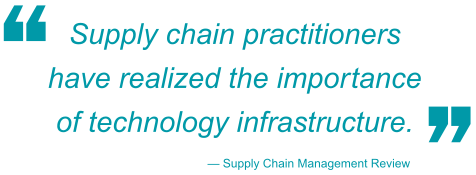
For the first time in ASCM’s annual supply chain trends list, digital supply chain has taken the top spot. The reason? Companies now realize that they can’t leverage big data and analytics without a digital technology infrastructure. In warehouses, that means interconnected logistics systems, integrated warehouse workflows and intelligent automation technologies.
Build a backbone for autonomous logistics. Digital supply chain has shot to the top of the list because it is viewed as the backbone for streamlining logistics and other supply chain activities. Robotics, automation, machine learning and AI technology enable digital transformation of distribution and fulfillment operations.
Here are ten technology trends that should drive your investment strategy for building a data-driven digital logistics infrastructure.
1. End-to-end logistics networks
Achieving network wide value across your physical operations begins with automated warehouse systems near-term. Long-term, these systems lay a foundation for autonomous operation and set the stage for an evolution of the warehouse workforce. When evaluating robotics and automation systems, consider CAPEX and OPEX costs. Ask questions like: What impact will each system have on labor and maintenance? Will expansion require more space? Can upgrades and retrofits be done during warehouse operation? The best solution for your organization will depend on your unique goals and objectives.
Look for a tech partner with expertise in your industry that can help you analyze and reconfigure your logistics network based on near and long-term objectives. To ensure you have the right systems in place, the design process should cover everything from inventory movement within and between facilities to strategies for dealing with demand fluctuation. It should also cover layout changes for rightsizing your facilities and your workforce as well as product placement and slotting adjustments for enhancing productivity.
2. Omnichannel agility
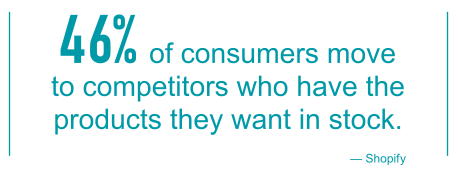
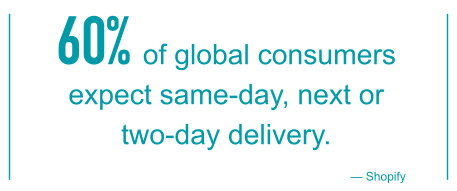
Consumers now expect an array of continuously expanding experiences that span both physical and digital stores. They have high expectations and low tolerance for out of stocks, delivery delays and higher prices. To strengthen logistics networks, leading organizations are consolidating demand across channels, so they can maximize service levels, grow revenues and minimize costs. Doing that requires an omnichannel infrastructure with enhanced flexibility and interconnectivity.
Omnichannel is about adding value, not reducing costs. To keep pace with commerce trends, your logistics infrastructure should include order fulfillment systems that have the ability to handle multiple workflows within the same system.
3. Flexible consumption models
Knowing what consumers want, prioritizing their needs and then using logistics to enable profitable services is key to success. Getting goods into the hands of consumers when and where they want them is what it’s all about.
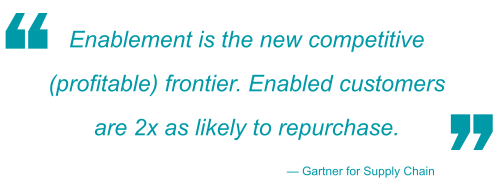
To meet the needs of modern shoppers, look for a technology partner that enables new and emerging consumption models like curbside pickup, locker delivery, and digitally-enabled 24×7 services both in and outside physical stores. When evaluating partners and technology, ask for proven cost-to-serve fulfillment models that don’t sacrifice profitability to deliver differentiated experiences. Make sure systems can be integrated at scale.
4. Hyper-automated workflows
Investing in robotics and automation alleviates labor issues, drives productivity gains, protects margins and mitigates cost increases. When evaluating systems that enable large-scale hyper automation, look for low and no-touch systems that automate core logistics processes end-to-end.
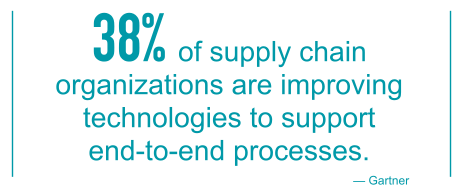
These include AI-enabled shuttle systems, AI picking robots with object recognition, pocket sorters with dynamic sorting and sequencing and palletizing systems that provide store-friendly delivery. Make sure these systems don’t just optimize processes. They should also lower overall costs by optimizing resource allocation, minimizing waste and streamlining logistics processes.
5. Modular system design with elemental expandability
Building an end-to-end logistics network is a journey; one that must be taken in your own way and at your own pace. To ensure stability in the midst of ongoing volatility, your technology infrastructure should be able to continuously adapt while creating new value through the invention and reinvention of logistics processes and customer services. This necessitates a modular design; one that enables incremental implementation, rapid reconfiguration and seamless integration.
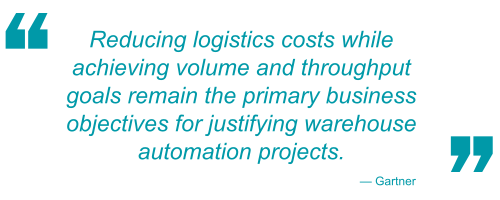
Look for modular robotic systems that encompass all core operational capabilities, can be deployed individually, but are designed to work together. Make sure the system has elemental expandability, so you can easily shift from low to medium to high-capacity operations by adding or moving picking stations and robots. Ask about inherent scalability. For example, shuttle systems that can scale up and out and added shuttles that instantly become part of the swarm. This is the kind of flexibility companies need in a world where disruption is not the exception, but the rule.
6. Mobile automation systems
While fixed automation systems are still the most common form of automation, there is growing interest in autonomous mobile robots (AMRs). These systems can combat ongoing labor shortages and rising labor costs while flexibly accommodating shifts in demand. They can also expand operations without increasing space requirements and enable a more integrated warehouse.
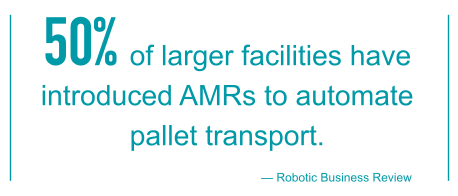
Look for AMRs that provide maximum freedom of movement in minimum space. Ask about installation. Does the system require any structural modifications, special pathways, fixed routes or markers? Make sure the system is flexible and scalable. Ask if it can be quickly and easily reconfigured by operators and can safely work alongside human labor.
7. Human-centric work design
Employee experience is essential for attracting and retaining talent. Harnessing the power of digitalization gives organizations the opportunity to reimagine logistics processes and rethink employee roles by escaping the “mostly manual” status quo.
Modern shuttle systems, pocket sorters and palletizers can help you create a more positive work environment. Instead of employees walking miles a day, picking items from multiple floors of shelving spread out over hundreds of thousands of square feet of space, goods come to them. These same systems introduce more meaningful, higher-paying, tech-focused jobs for employees. Look for robotic and automation solutions that make it possible for employees to assemble multiple orders at once and ergonomic workstations that increase comfort for employees and protect them from injury.

8. Integrated robotics
The need to orchestrate interactions between different robotic systems will grow in importance as SLAs get shorter. People, processes and technology will have to work in a more coordinated fashion. Dynamic orchestration and more autonomous operation is the end goal.
As you build your end-to-end logistics network, consider how the technology will support integration and collaboration between systems in the long-term. Look for self-driving, self-adjusting and self-optimizing systems where every source can be connected to every destination. Ask if the robotics and automation systems have dynamic buffering and process decoupling capabilities to ensure structural, process and orchestration agility.
9. Advanced vision technology
A new federal regulation (FSMA 204) will require food traceability for everything from fresh fruit and vegetables to soft cheeses, seafood, refrigerated and ready-to-eat- deli salads. Everyone from the grower to the retailer must have electronic data tracking. This includes food suppliers, wholesalers, distributors, grocers and convenience stores.
To avoid huge increases in labor costs, look for a tech partner with a range of track and trace options that includes everything from manual scanning stations with embedded cameras to fully-automated in-process scanning that requires no extra people. These same systems can also automate quality control, order accuracy and intelligent data capture..
10. Sustainable operation
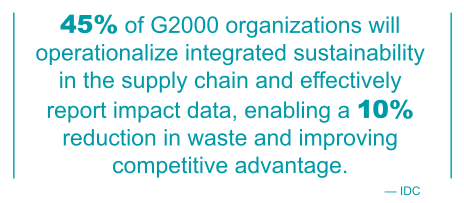
When done right, your logistics network can help you achieve corporate sustainability goals — but only if your tech partner prioritizes eco-friendly logistics practices. These include identifying and eliminating waste, placing distribution and fulfillment closer to stores and customers, renewing versus rebuilding, and operationalizing sustainability without sacrificing profitability. Look for systems that regenerate power and automation solutions that provide ongoing energy and cost savings. For example, sustainable packaging systems can significantly reduce dunnage, shipping volume, carbon emissions and transport weight.