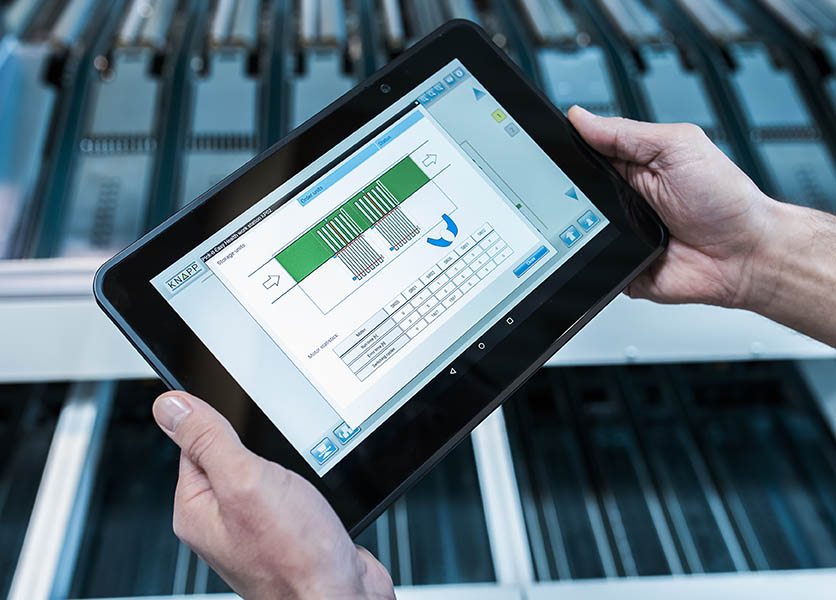
Retail pharmacies are in dire need of a major transformation. Pharmacies are understaffed. Pharmacists are overworked. Patients are put at risk. Profit margins are squeezed.
Time for change.
At the same time, the healthcare industry is grappling with a severe and growing shortage of clinicians. Finding and keeping qualified talent will continue to challenge almost every aspect of healthcare for the foreseeable future.
Retail pharmacies are in dire need of a major transformation. Pharmacies are understaffed. Pharmacists are overworked. Patients are put at risk. Profit margins are squeezed.
Time for change.
At the same time, the healthcare industry is grappling with a severe and growing shortage of clinicians. Finding and keeping qualified talent will continue to challenge almost every aspect of healthcare for the foreseeable future.
There is no better time to expand the role pharmacy plays in providing healthcare. Doing so requires new business models, new technology and a new holistic approach to fulfillment. A higher level of automation is needed in both central fill and retail pharmacy. For the first time, technology exists to make it happen.
This business case shows how to automate virtually every aspect of central fulfillment. It also shows how to automate repetitive low-value touches in retail pharmacy, so pharmacists and technicians are freed to handle higher-value interactions with patients. It’s a comprehensive approach that:
- Reduces prescription fulfillment costs
- Increases convenience for patients
- Expands pharmacy revenue streams
Central fill/Mail Order: Automate everything.
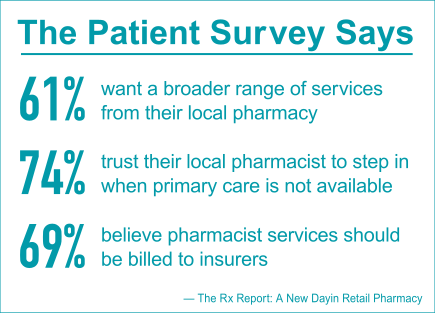
The goal for central fill should be to remove as many touches as possible in order to make the most of available labor, streamline high-volume processes, mitigate human error and enable track and trace compliance. Introducing these five technologies into your central fill/mail order pharmacy makes it all possible.
- Autonomous mobile robots (AMRs) for efficient goods-in/goods-out transport
- An automated storage and picking system for high-density, low-cost storage
- Pack-to-patient technology for efficient handling of patient-specific orders
- Advanced vision technology for automated order induction, DSCSA compliance, pharmacist verification and virtually error-free order processing
- Pharmacy execution software for intelligent workflow and inventory management
By adding these technologies, organizations can process patient orders and have them ready for dispatch in minutes instead of hours.
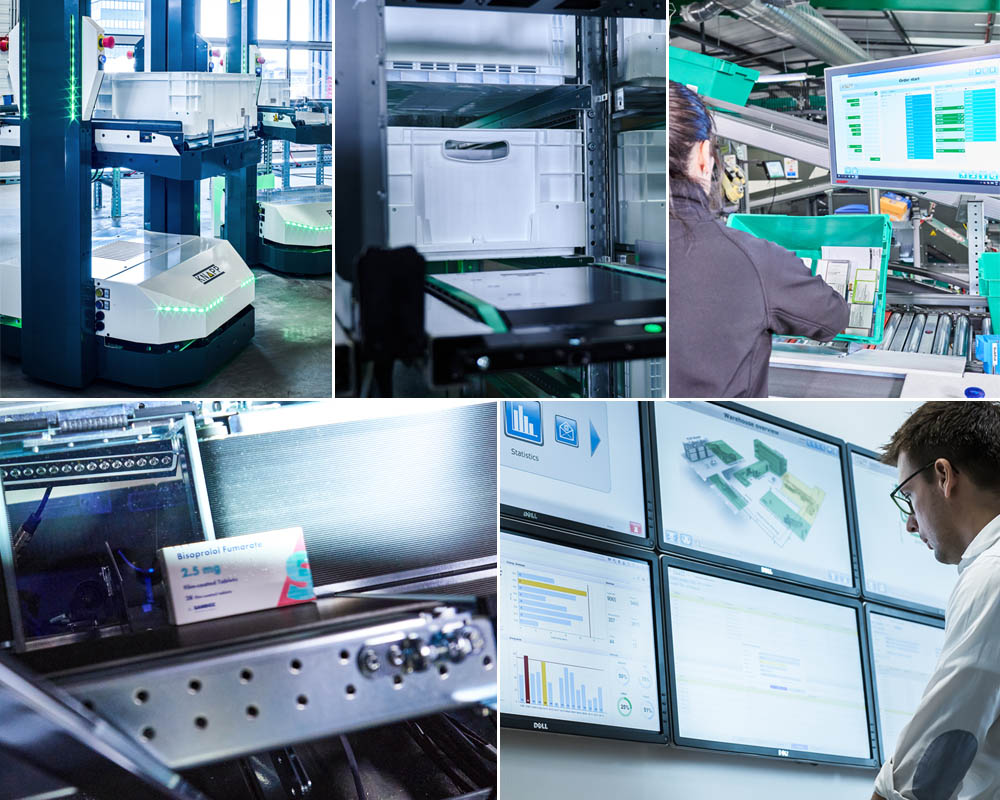
1 in 4
clinicians are considering leaving healthcare owing to burnout.
–Bain and Co.
Retail pharmacy: The answer to “Pharmageddon.”
Recently, pharmacists across the country walked out of major drugstore chains. The reason? They feel overworked, underpaid and unsupported in their work.
The level of frustration has been building for some time. On a daily basis, pharmacists are now required to give people vaccines, provide a broader array of clinical services, answer questions, approve and administer medications and increase sales for the store. All the multitasking has created a chaotic work environment for pharmacists.
The situation for technicians is no better. Their pay hovers at around $20 an hour, which means they must supplement their income by taking on other jobs. This has led to increased turnover and ongoing training of new staff. Yet another task for overwhelmed pharmacists.
New intelligent in-store technology can alleviate these issues by fully automating:
- Put away and will-call
- Adherence and safety
- First-to-expire/First out (FEFO) dispensing
- Smart stock bottle handling for in-store prescription fulfillment
- Prescription dispensing with 24/7 indoor and outdoor terminals
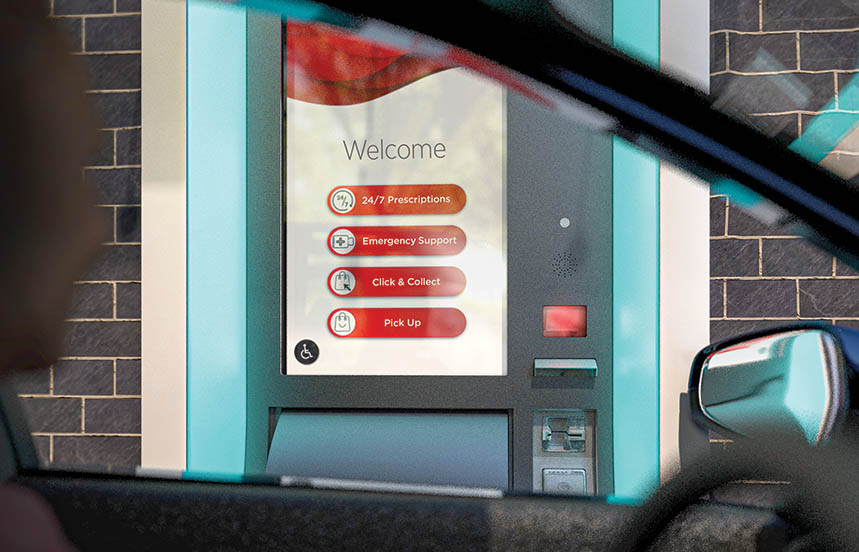
These innovative technologies streamline prescriptions put away. With minimal human interaction, it transforms a 2½ hour process into a 45-minute process. Because the system takes up less space than the shelving it replaces, pharmacies have more time and space for additional consultation areas and other patient care services.
Create a value chain that liberates clinicians.
When central fill and retail pharmacies are highly automated and their operations are seamlessly coordinated, patients experience new levels of convenience and care, including:
- Around-the-clock dispensing of prescriptions and over-the-counter (OTC) items, which can be stored in the same system
- Easier access to more clinical services and higher quality consultative services
- Emergency access to acute care medications with telepharmacy
This holistic approach achieves rapid ROI through centralized inventory management and expired medication savings. It also optimizes staffing in both central fill and retail pharmacy stores and increases revenue via value-added services and fully-automated expanded hours of operation.
The integrated system liberates technicians and pharmacists by eliminating mundane tasks. Instead, it allows them to provide more and better patient care. It delivers all these benefits with:
- The lowest cost per script
- The fewest full-time employees (FTEs)
- The most effective solution per square foot
- The smartest utilization of limited staff
- The fastest rate of return on your automation investment
Above and beyond these financial and operational benefits, the system expands access to care in the communities it serves.