SELECTION CRITERIA
The world of logistics is at a technology tipping point. It’s increasingly clear that NOT automating core logistics processes will end up costing more in the long run. Here are ten reasons why the “mostly-manual status quo” no longer works and how game-changing pocket sorter technology can help.
1. THE LABOR PROBLEM IS NOT GOING AWAY.
The declining birth rate and rising number of retiring boomers means the workforce is shrinking. At the same time, the accelerated growth of eCommerce and the gig economy have created a need for more workers. Everyone’s competing for the same limited labor pool so workforce costs continue to rise. Getting goods out while maintaining profits now requires increasing operational efficiency and decreasing operational overhead.
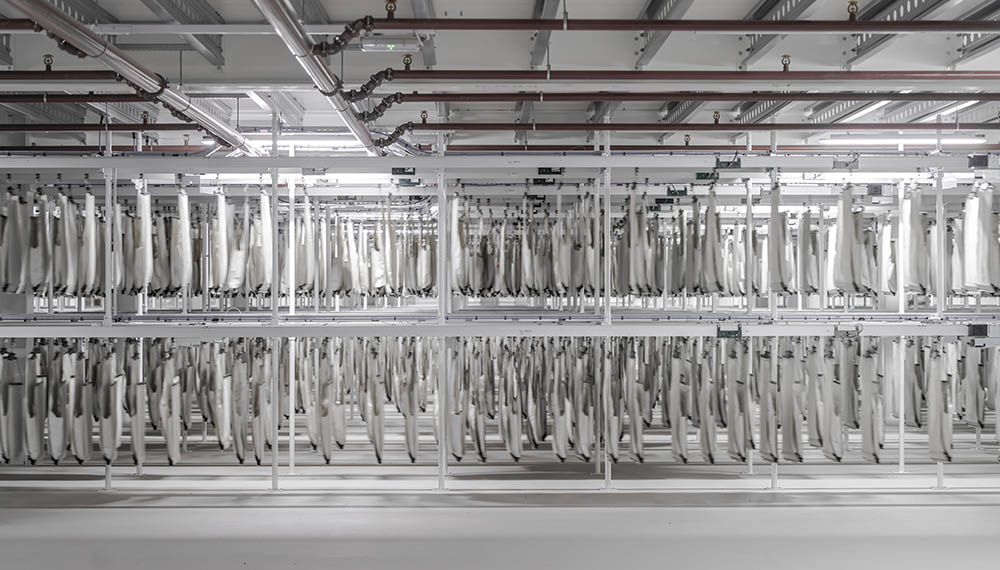
RS Group (formerly ALLIED Electronics) uses three KNAPP systems to make the most of the workforce they have. A shuttle system, AI-powered picking robots and EcoPocket™ sorter system minimize touches, enhance the work environment and improve the customer experience. The pocket system is equipped with a one-of-a-kind dynamic sortation matrix that ensures 100% sequencing for any sorting methodology. It also provides 100% traceability through RFID technology, tracking inventory from when it enters until it leaves the building.
2. CONSUMER EXPECTATIONS WILL CONTINUE TO RISE.
The 2023 Zendesk CX Trends Report found that 50% of consumers will switch to a competitor after one bad experience, and 80% will switch to a competitor after more than one bad experience. Bottom line? Keeping consumers happy requires rapid, reliable delivery the first time and every time thereafter.ents.
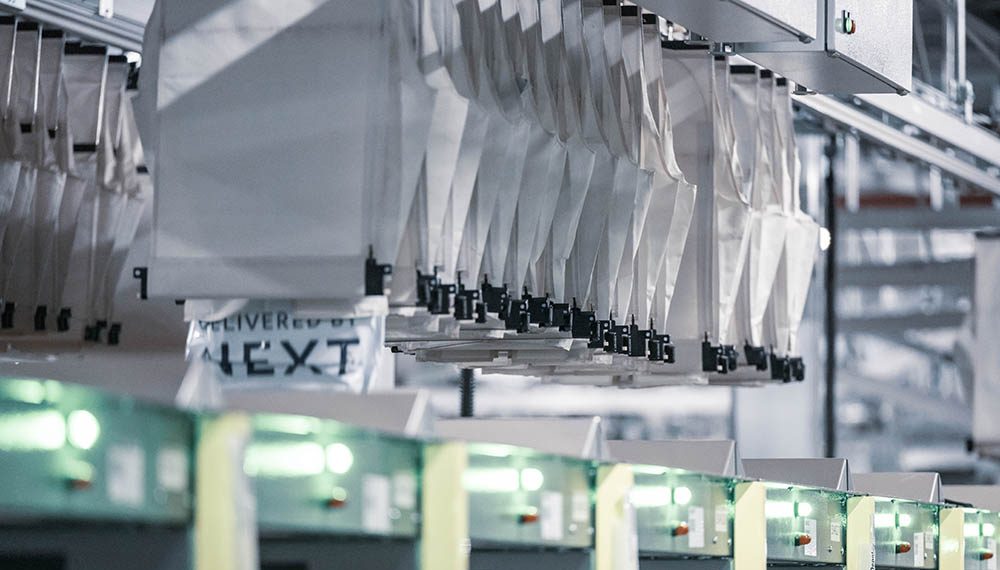
To consistently meet aggressive SLAs, NEXT is using AutoPocket™ from KNAPP. AutoPocket helps the global online retailer efficiently process both flat-packed and hanging items. RF chips ensure 100% tracking. Items are available at any time, from any pocket, anywhere in the fulfillment center. With two zero-touch AutoPocket modules, NEXT processes up to 15,000 items per hour. By stacking vertically, NEXT can grow throughput in 7,500 sorts/hour increments.
3. FLEXIBLE ORDER PROFILES MEAN OMNICHANNEL IS HERE TO STAY.
Efficiently and cost-effectively fulfilling online orders while replenishing physical stores requires a fundamental transformation of warehouses. Putting this off is risky business, because traditional sortation and order consolidation can no longer keep pace with the pace of business. Omnichannel isn’t a trend. It’s now a necessity.
The latest advancement in pocket systems, AutoPocket, combines two workflows in one system for the most effective omnichannel fulfillment. A central hub integrates every workstation with every pocket for accurate order tracking and sequencing. Pockets open and close automatically and can flexibly process a constantly changing range of goods. The AutoPocket system can be used to sort incoming goods, sequence orders at packing stations, sort shipped goods and more.
4.THE PUTWALL IS TOO TIME- AND RESOURCE-INTENSIVE.
Placing products in a putwall and waiting for every item in the order to arrive, is an unnecessary touch that doesn’t add value. Pocket systems automate the manual order consolidation process, making it possible to eliminate the putwall. Here’s how.
The warehouse manager, business intelligence software or forecasting tools predict items and volumes based on sales campaigns. Items are inducted into a dynamic buffer. As orders come in, items are collected by the system, sequenced and automatically dropped off in packing stations. With this streamlined workflow, orders can arrive at automated packing stations in thirty minutes or less.
5. CUSTOMER EXPERIENCE IS STILL KING.
VIP customers want VIP experiences. If you’re buying designer shoes and luxury brand perfumes, watches or handbags, the power of personalization builds differentiation for your brand and wallet share from your customers. It also lays a foundation for customer loyalty. With a pocket system, companies can give their high value customers the VIP treatment. The system redirects VIP orders to a special area for personalized packaging, labeling, a fragrant spray…whatever.
6. THE HIGH COST OF RETURNS WILL ONLY INCREASE.
As eCommerce continues to grow, so too will the number of returns. Forbes says an estimated 20% of online purchases are returned today, costing retailers $642 billion. The return rate in fashion is significantly higher. Returns are so costly, some retailers are shortening return windows and instituting a ‘keep it’ policy during peak season. This is not viable long-term, especially since shoppers could start abusing the policy.
KNAPP customers are achieving as little as one-touch returns handling with AutoPocket. And 90% of returns go back into the system within three days, avoiding any merchant account penalties.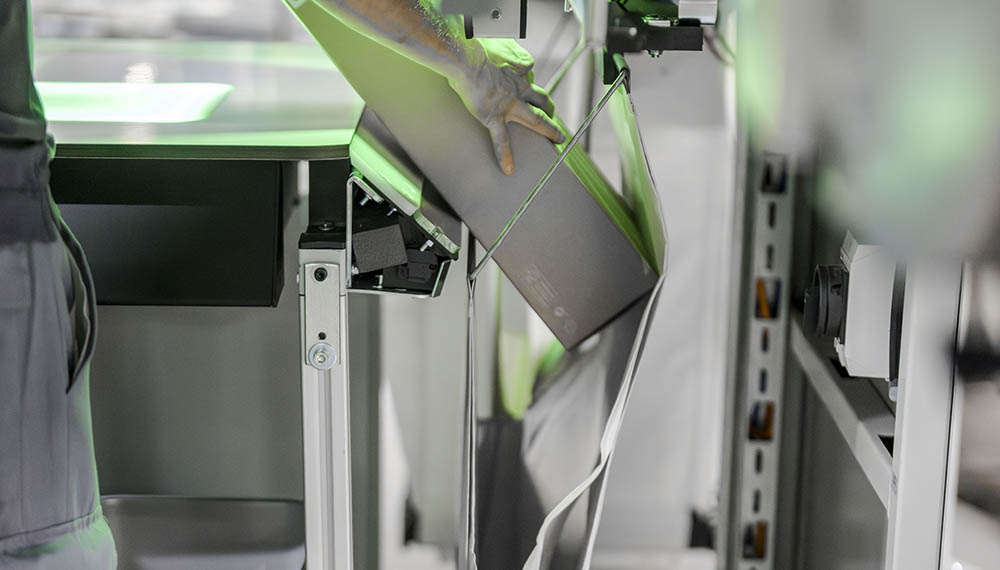
7. WAREHOUSE SPACE ISSUE ISN’T GETTING ANY CHEAPER.
Ecommerce now exceeds 15% of total retail sales, according to the U.S. Census Bureau. At the same time, there’s significant growth in safety stock. This has resulted in high demand and low availability of warehouse space. Rental costs have ballooned as has cost per square foot for new builds. Competition for industrial space is driving organizations to increase warehouse automation because it uses space more effectively and lowers variable cost per order.
8. MARGINS WILL KEEP GETTING SQUEEZED.
In the BoF-McKinsey State of Fashion 2023 Survey, inflation, geopolitical instability, supply chain disruptions and increased economic volatility were cited as the top risks for the fashion industry. One strategy for minimizing these risks is to increase the level of automation in warehouses, which decreases the financial impact of a volatile market while improving supply chain performance.
Online fashion retailer, ASOS, uses a five-module EcoPocket system to streamline all sorting and sequencing processes. As a result, ASOS has significantly reduced costs while optimizing transit time. The system processes approximately 40,000 items per hour.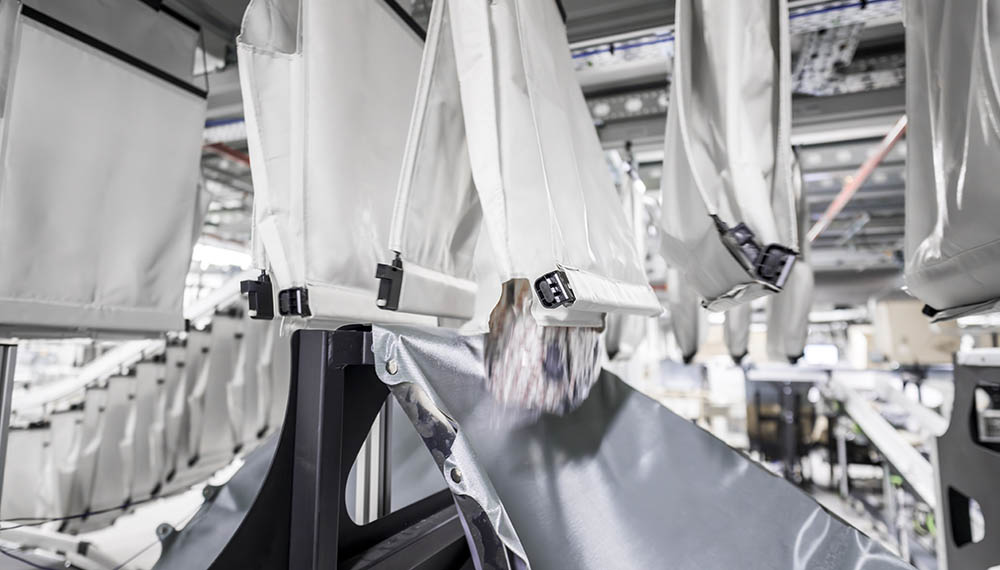
9. SUSTAINABILITY CAN NO LONGER BE IGNORED.
You can’t have a sustainable organization without a sustainable supply chain. Logistics can be a key driver for realizing sustainability goals. For example, error-free fulfillment minimizes returns and associated emissions. So too does right-sized packaging. By combining an AutoPocket system with auto-drop off into right-sized packages, online retailer NEXT achieves super-fast fulfillment and greener logistics. Right-sized packaging can reduce dunnage, shipping volume, transport weight and carbon emissions.
10. ATTRACTING AND RETAINING EMPLOYEES IS HARD WORK.
A comfortable tech-driven environment that doesn’t require employees to walk miles a day goes a long way when recruiting. A high-tech environment appeals to a younger generation and makes them more likely to stay. Work environments that use pocket sorters and other automation systems also create new tech-focused jobs and career advancement opportunities for employees. Forbes says tech investments like these that automate the most mundane tasks give employees a greater sense of value and purpose.